
Advertisement
Click to download now, finish the installation quickly, and directly unlock the "all-round experience"
Advertisement
Screenshots
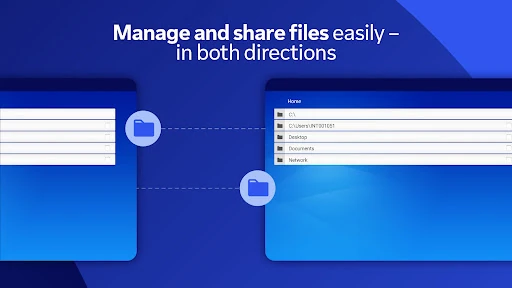
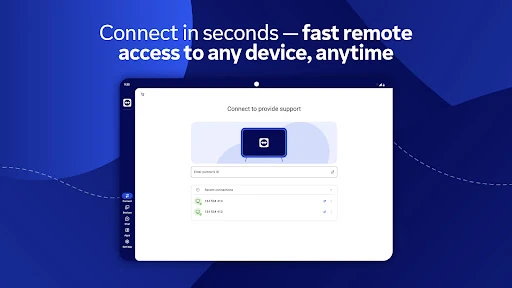
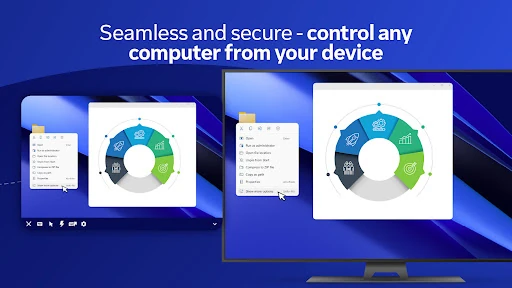
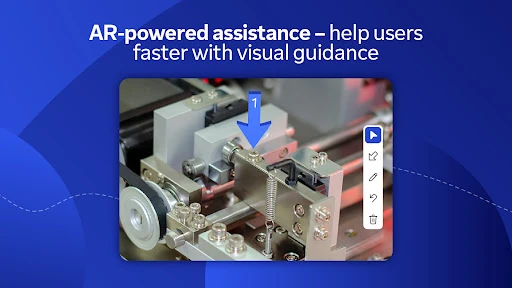
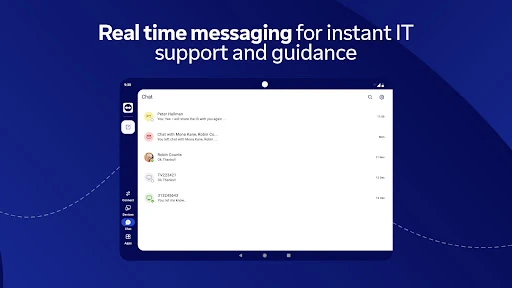
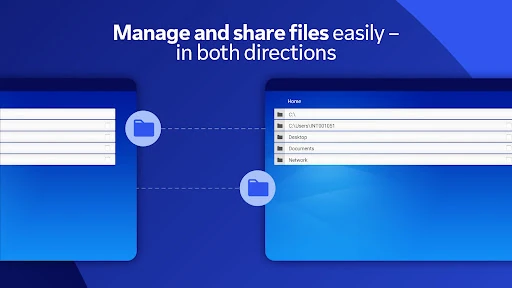
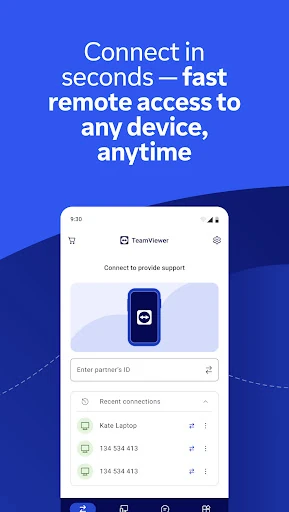
Click to download now, finish the installation quickly, and directly unlock the "all-round experience"
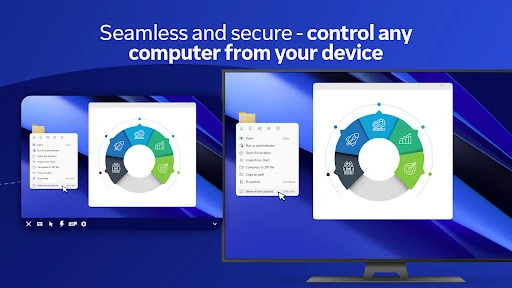
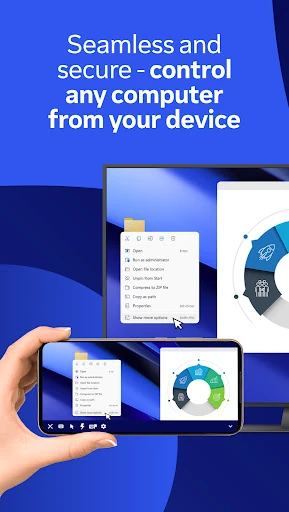
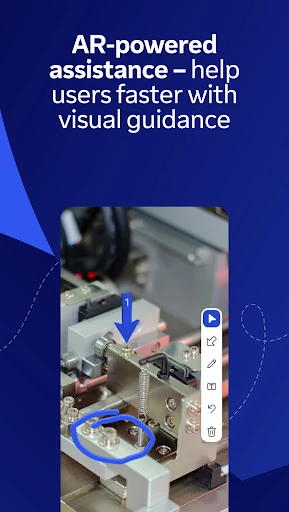
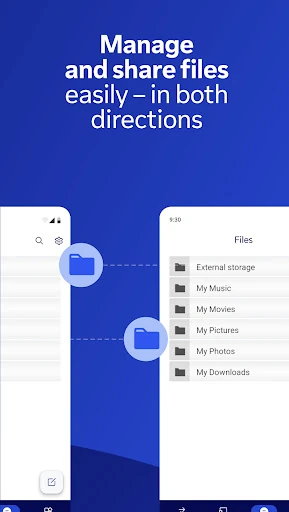
TeamViewer Remote Control stands as the definitive benchmark in the remote connectivity sector, offering a robust bridge between mobile convenience and desktop-level power. Within the competitive Business category, it distinguishes itself not merely as a screen-sharing tool, but as a comprehensive infrastructure for remote IT support, server management, and hybrid workflow continuity. Its ability to maintain high-security standards while facilitating cross-platform interoperability makes it an indispensable asset for enterprise-level professionals and independent IT consultants alike.
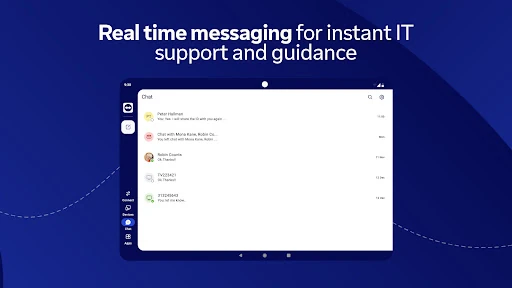
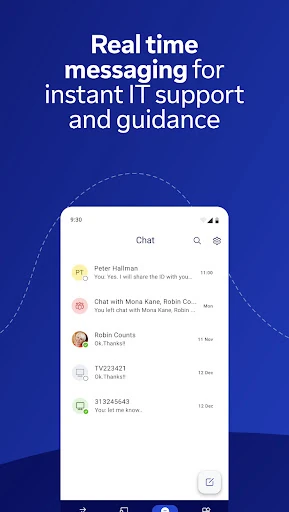
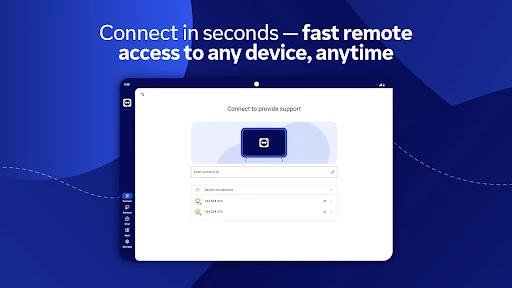
The interface of TeamViewer Remote Control is engineered for utility and precision, favoring a clean, functional layout over unnecessary aesthetic flourishes. For the Business category, this approach is ideal, as it minimizes distractions during high-stakes support sessions. The implementation of intuitive touch gestures—such as pinch-to-zoom and drag-and-drop—effectively translates complex mouse interactions to a smaller touchscreen. While the learning curve can be steep for novice users due to the density of features, the logical categorization of tools and real-time chat functionality ensures a professional and efficient workflow.
The next iteration of the app would benefit from a more unified onboarding experience to clarify the distinction between the "Remote Control" and "QuickSupport" modules for first-time users. Additionally, integrating a low-bandwidth mode that automatically toggles off high-definition video in favor of input responsiveness would improve the experience for field technicians working in areas with poor cellular reception.
TeamViewer Remote Control is the premier choice for IT administrators, remote workers, and support technicians who require uncompromising access to their digital infrastructure. It is specifically tailored for those who need to manage complex systems while on the move without sacrificing security or functionality. For any business professional tasked with maintaining uptime and providing remote assistance, this app is a mandatory addition to their digital toolkit.