Advertisement
Click to download now, finish the installation quickly, and directly unlock the "all-round experience"
Advertisement
Screenshots

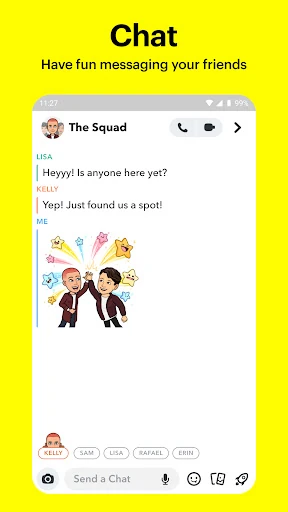
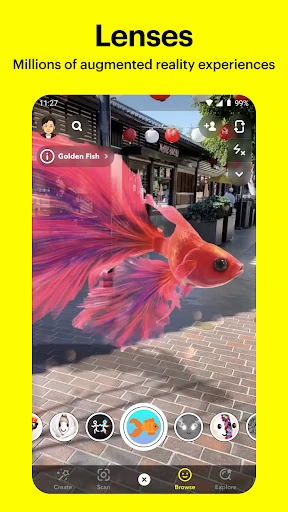
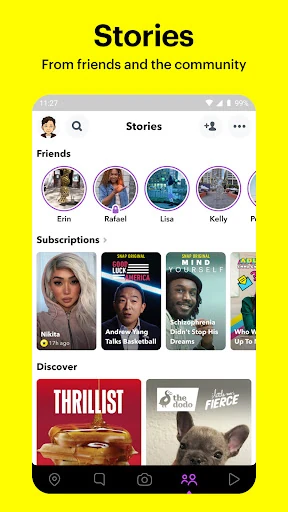
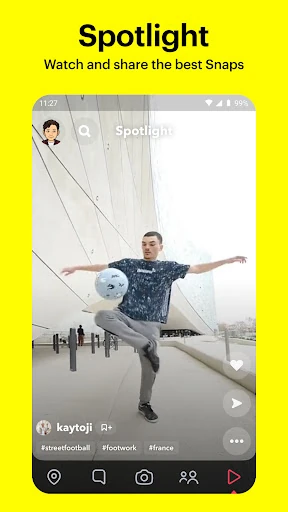

Click to download now, finish the installation quickly, and directly unlock the "all-round experience"
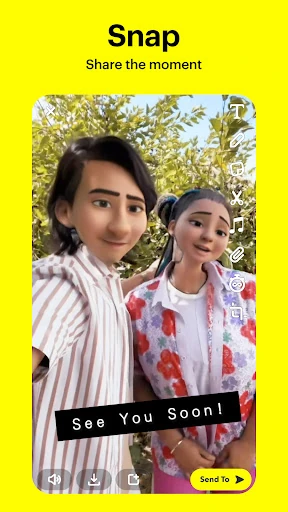
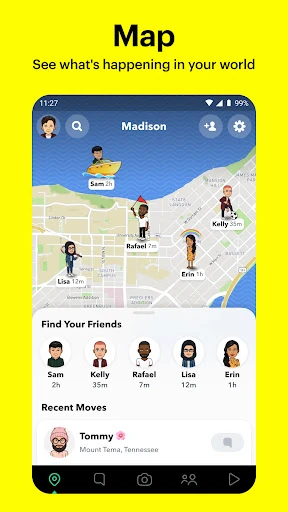
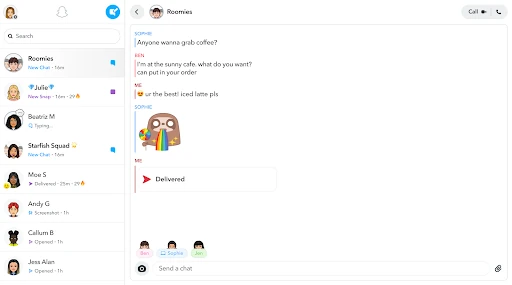
Snapchat stands as a foundational pillar in the modern Communication landscape, fundamentally altering how a generation interacts by prioritizing ephemeral, visual-first messaging over text-based permanence. As a Senior Analyst, I view Snapchat not merely as a messaging tool, but as a comprehensive social ecosystem that leverages augmented reality (AR) and real-time location sharing to create a sense of presence that traditional platforms lack. Its "camera-first" philosophy encourages raw, unpolished authenticity, making it the primary medium for "in-the-moment" digital connection.
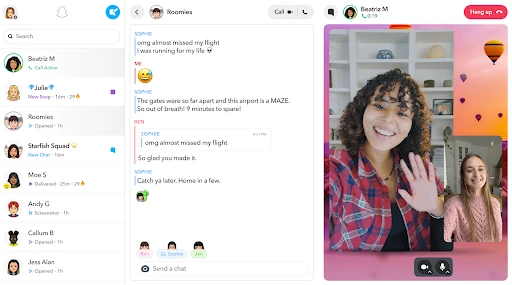
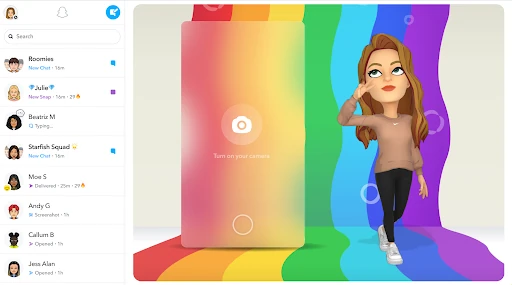
Snapchat’s UI is famously unconventional, eschewing traditional menus for a gesture-based, three-pane horizontal architecture. The app opens directly to the camera, which minimizes the "time-to-content" friction. While this design is highly efficient for digital natives who prefer rapid swiping and hidden shortcuts, it presents a significant learning curve for new users. The UX is heavily optimized for speed and "FOMO" (fear of missing out), with indicators like Snapstreaks providing psychological hooks that drive daily active usage. However, the density of features can occasionally make the interface feel cluttered and resource-intensive on older hardware.
To further evolve, Snapchat should focus on optimizing its performance for mid-range and budget devices, as the current app can be sluggish during heavy AR use. Additionally, the "Discover" section could benefit from more granular content controls to filter out clickbait, ensuring that the high-quality "Original Shows" are not overshadowed by lower-quality aggregated content. Finally, improving the transparency of "Ghost Mode" versus active location sharing would assist in mitigating long-standing privacy concerns from the user base.
Snapchat is the definitive choice for users—primarily Gen Z and Millennials—who value spontaneous, visual communication over curated social media profiles. It is less of a utility and more of a digital hangout space. I recommend this app for anyone looking to maintain close-knit social circles through high-bandwidth media, though it may be overwhelming for users who prefer a simple, text-centric SMS replacement. It remains the gold standard for creative mobile communication.