Microsoft Outlook
Microsoft Corporation
Downloads
1,000,000,000+
Version
Latest
Advertisement
Click to download now, finish the installation quickly, and directly unlock the "all-round experience"
Advertisement
Screenshots

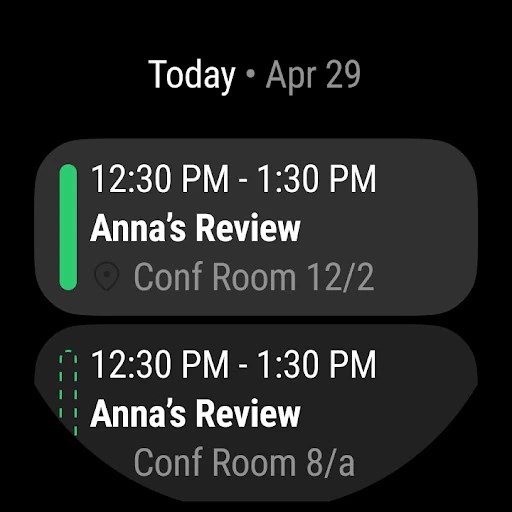



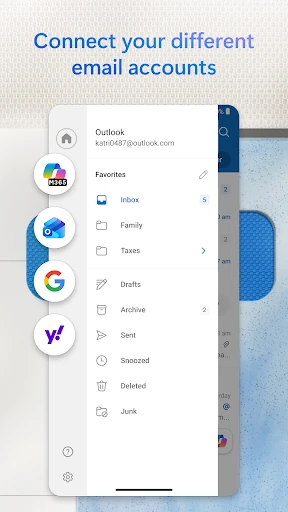
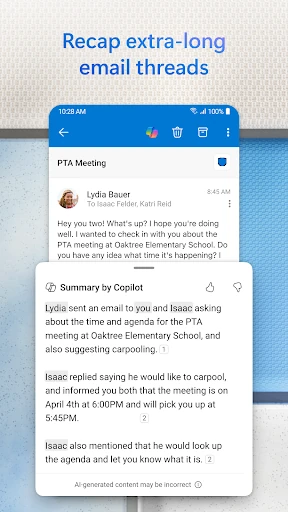

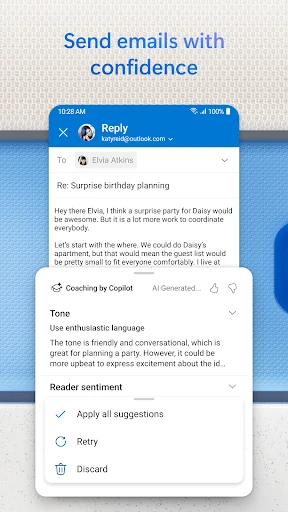



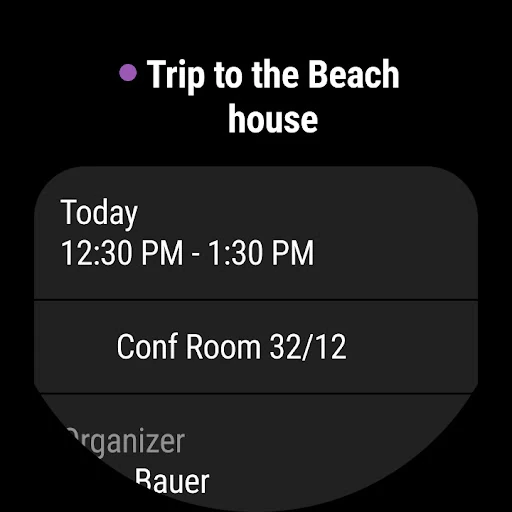
Click to download now, finish the installation quickly, and directly unlock the "all-round experience"
Microsoft Outlook remains a cornerstone of the digital productivity landscape, evolving from a traditional email client into a sophisticated personal information manager. In the crowded field of productivity applications, Outlook distinguishes itself by seamlessly bridging the gap between professional enterprise requirements and personal organizational needs. It offers an authoritative solution for users who demand a unified hub for communication, scheduling, and file management, maintaining a level of security and integration that few competitors can match.
The UI of Microsoft Outlook is a masterclass in functional minimalism within the productivity category. The interface is characterized by clean lines and a logical hierarchy that prioritizes content over chrome. Navigation is intuitive, utilizing a bottom bar for quick switching between Mail, Search, and Calendar. The user experience is further enhanced by customizable swipe gestures—allowing for rapid triaging of the inbox—and a robust search engine that supports both text and voice queries, making it remarkably easy to locate deep-buried attachments or specific contacts.
While Outlook is highly optimized, the next iteration could benefit from more granular notification controls to prevent "notification fatigue," allowing users to silence specific accounts or folders during set hours. Additionally, expanding the customization options for the UI—such as more varied theme support or the ability to reorganize the navigation bar—would allow power users to better tailor the experience to their specific workflows.
Microsoft Outlook is the definitive tool for professionals, students, and power users who operate within the Microsoft 365 ecosystem or manage multiple communication streams. It is more than just an email app; it is a comprehensive mobile office. For anyone seeking to streamline their daily coordination and protect their digital correspondence with enterprise-level security, Outlook remains a top-tier recommendation in the productivity space.