
Advertisement
Click to download now, finish the installation quickly, and directly unlock the "all-round experience"
Advertisement
Screenshots




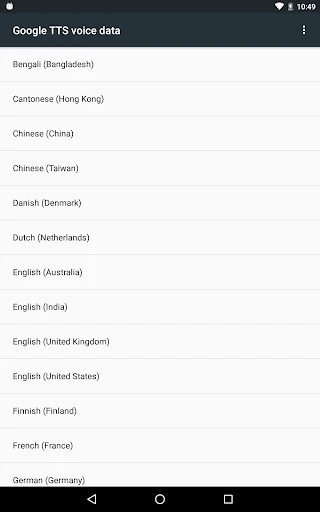
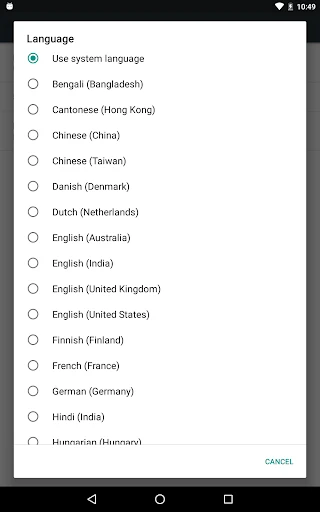
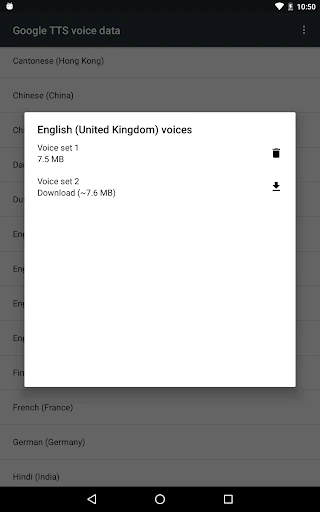
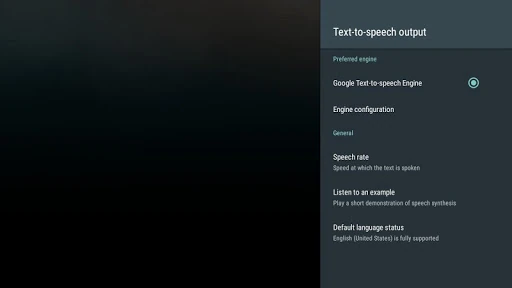
Click to download now, finish the installation quickly, and directly unlock the "all-round experience"
Speech Recognition & Synthesis is the foundational infrastructure that bridges the gap between human language and digital execution on Android. As a critical component in the Tools landscape, it serves as the invisible engine powering Google's industry-leading Speech-to-Text and Text-to-Speech ecosystems. It is not merely an app but a vital system service that enables accessibility, hands-free navigation, and real-time transcription across both native and third-party applications, maintaining Google’s dominance in linguistic AI.
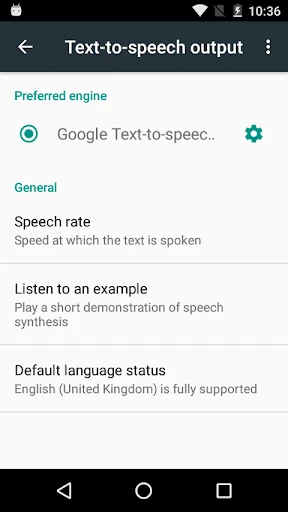
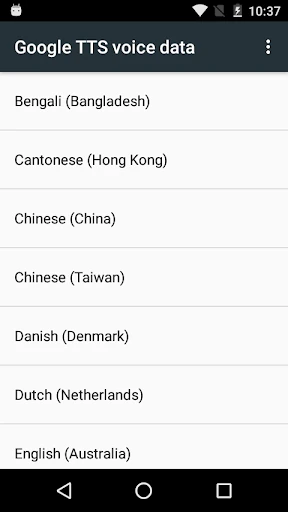
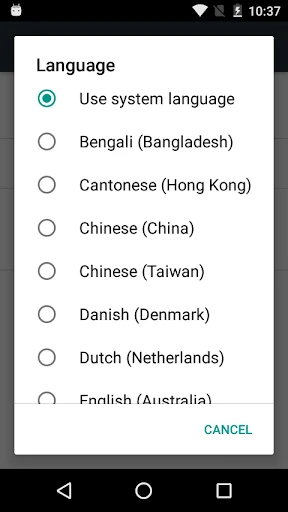
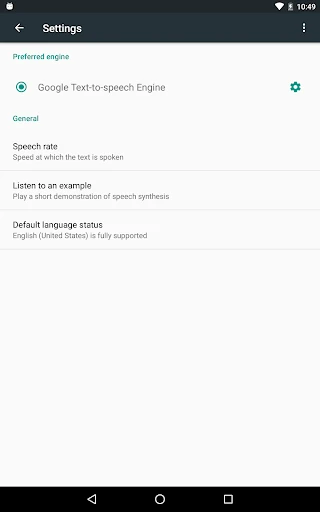
The user experience of Speech Recognition & Synthesis is unique in that it is designed to be "invisible." There is no traditional graphical user interface (GUI) or dashboard; instead, its presence is felt through the seamless performance of other apps. While this "quiet" design philosophy adheres to the best standards of system utilities, the actual management of the service is buried within the Android Settings menu. This makes the initial setup or engine switching somewhat cumbersome for average users, though the actual linguistic processing is remarkably intuitive and responsive.
To improve the user experience, Google should consider adding a dedicated, simplified interface to manage voice packs and engine settings directly. Additionally, further optimization of on-device processing would reduce the latency currently experienced on mid-range hardware. Increasing the variety of "natural" or "emotional" prosody in the synthesis engine would also help bridge the gap between robotic-sounding speech and human-like interaction.
Speech Recognition & Synthesis is an essential utility for every Android user, particularly those who prioritize accessibility, rely on hands-free productivity, or are currently learning new languages. While it functions primarily in the background, its impact on the modern mobile experience is profound. It is a mandatory update for anyone seeking the most accurate and reliable voice-to-text and text-to-speech capabilities available on mobile today.