Advertisement
Click to download now, finish the installation quickly, and directly unlock the "all-round experience"
Advertisement
Screenshots
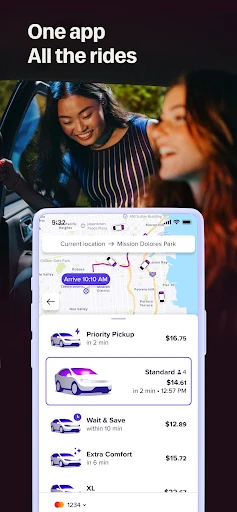
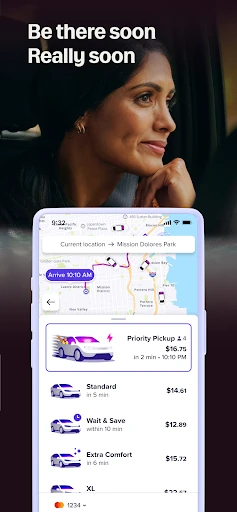
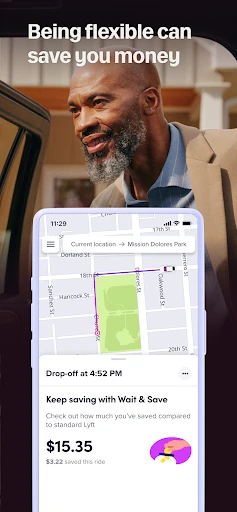
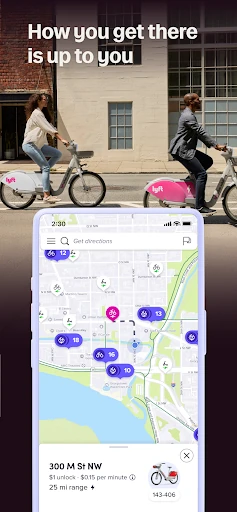
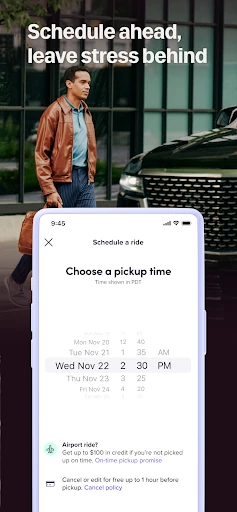

Click to download now, finish the installation quickly, and directly unlock the "all-round experience"
Lyft stands as a premier pillar in the Maps & Navigation landscape, offering a sophisticated alternative to traditional transit and its primary competitors. While many apps focus solely on point-to-point car services, Lyft has successfully pivoted into a comprehensive mobility platform. It integrates ride-hailing, micro-mobility, and public transit data into a single, cohesive ecosystem. Its authoritative presence in the market is defined by a commitment to price transparency and a user-centric approach that simplifies the complexities of urban travel.
The Lyft UI is a benchmark for the Navigation category, characterized by a clean, map-centric aesthetic that prioritizes immediate action. The user journey is remarkably short: destination entry is prominent, and the transition from selection to confirmation is frictionless. High-contrast typography and intuitive iconography make the app accessible even in high-glare outdoor environments. From a UX perspective, the app excels at reducing "choice paralysis" by clearly categorizing ride types and highlighting the fastest or cheapest options with subtle visual cues.
Future updates could benefit from enhanced GPS pin accuracy in high-density urban canyons where signal drift often leads to pickup confusion. Furthermore, a more robust offline mode for viewing transit schedules would be a significant asset for users traveling in areas with poor cellular reception, such as underground subway stations.
Lyft is the ideal solution for urban professionals, travelers, and students who require reliable, on-demand transportation. It is particularly well-suited for users who value having multiple transit modes—ranging from bicycles to luxury sedans—within a single interface. As a top-tier navigation utility, it is highly recommended for anyone seeking a transparent and efficient way to navigate modern cityscapes.