Advertisement
Click to download now, finish the installation quickly, and directly unlock the "all-round experience"
Advertisement
Screenshots
Click to download now, finish the installation quickly, and directly unlock the "all-round experience"
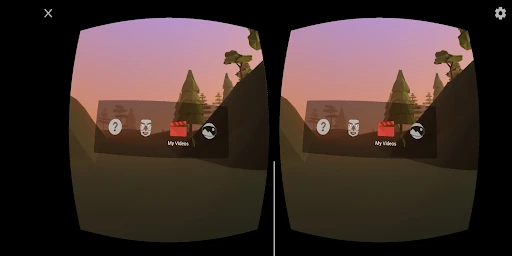
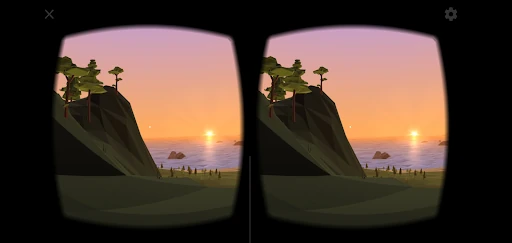
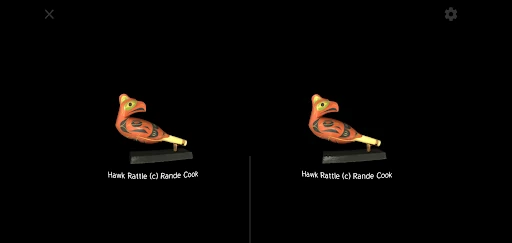
Cardboard serves as the foundational pillar for mobile virtual reality, democratizing immersive experiences through accessible hardware and software. Categorized within the Libraries & Demo landscape, the app acts as an essential gateway for users to calibrate their devices and discover VR content. Now powered by an open-source software (OSS) SDK, it represents a significant shift from a proprietary Google product to a community-driven platform, ensuring the longevity of entry-level VR for enthusiasts and developers alike. It is a masterclass in utility, transforming a standard smartphone into a functional stereoscopic display with minimal friction.
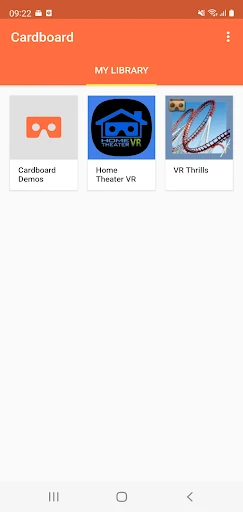
The UI is characterized by Google’s signature minimalist aesthetic, prioritizing utility over visual flair. Since the app is intended to be a bridge between a physical viewer and digital content, the UX is streamlined to minimize time spent looking at the screen outside of the headset. The setup process is remarkably intuitive, guiding users through pairing and safety warnings with clear, legible typography and high-contrast icons. As a tool within the Libraries & Demo category, it succeeds by staying out of the way and focusing on functional reliability and ease of deployment.
To stay relevant in the evolving mobile landscape, the app could benefit from a modernized "Discovery" section that highlights AR/VR hybrid experiences. Additionally, integrating built-in diagnostic tools for calibrating IMU sensors would help users troubleshoot "drift" issues common in older smartphone models. Improved support for higher-refresh-rate displays (90Hz or 120Hz) within the internal demo scenes would also significantly enhance visual comfort for users with modern flagship devices.
Cardboard is primarily intended for VR newcomers, educators, and mobile developers seeking a lightweight reference for stereoscopic rendering. It remains the gold standard for entry-level VR demonstrations and a necessary utility for anyone owning a Google-certified viewer. For those curious about the potential of virtual reality without the high cost of standalone headsets, this remains the most logical and accessible starting point.