Advertisement
Click to download now, finish the installation quickly, and directly unlock the "all-round experience"
Advertisement
Screenshots
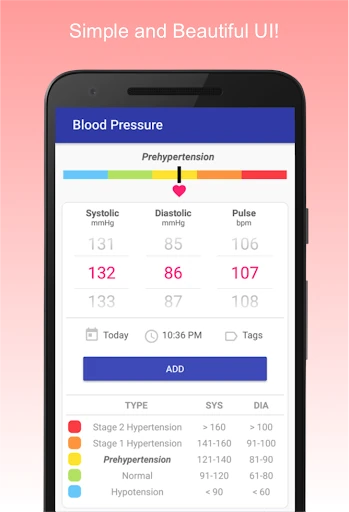
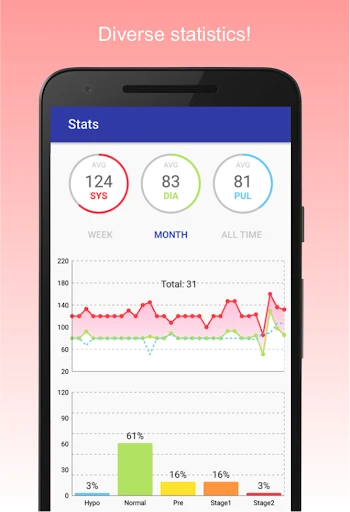
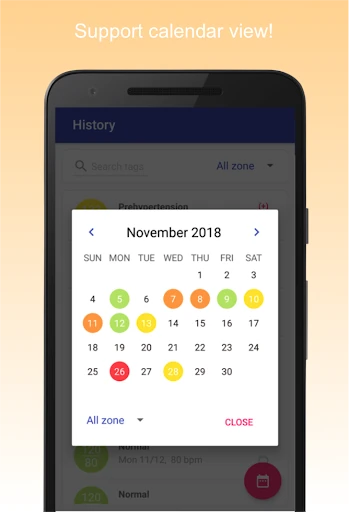
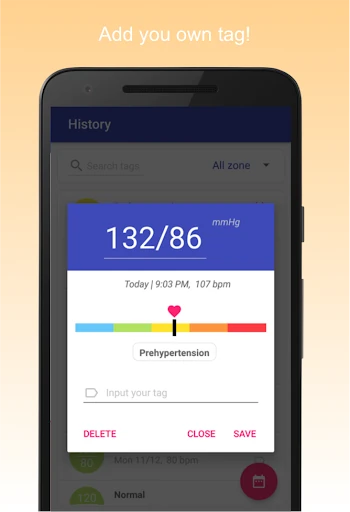
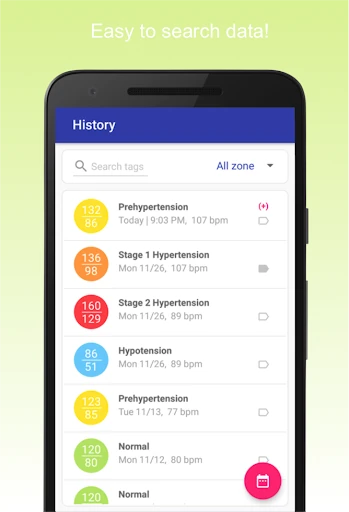
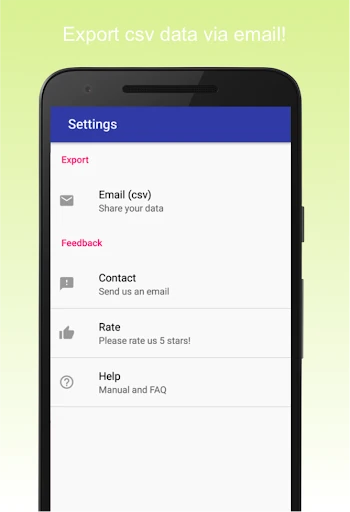
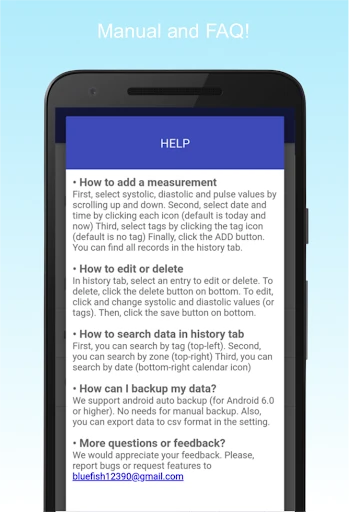
Click to download now, finish the installation quickly, and directly unlock the "all-round experience"
Blood Pressure Diary stands as a robust and utility-focused entry in the Medical category, designed specifically for users who need a disciplined way to manage hypertension or hypotension. Unlike many apps that overpromise, this tool remains grounded in its role as a digital logbook, explicitly stating it is a tracking companion rather than a diagnostic device. By bridging the gap between raw data collection and medical interpretation through AHA-aligned blood pressure zones, it provides an essential service for patients who require a clear, longitudinal view of their cardiovascular health to share with healthcare professionals.
The application adheres strictly to Material Design principles, which is a strategic choice for the Medical category where familiarity and clarity are paramount. The UI is clean and high-contrast, making it accessible for older demographics who may struggle with overly complex interfaces. The use of interactive charts and graphs is particularly effective; it transforms rows of static numbers into visual trends, allowing users to spot patterns in their blood pressure fluctuations over weeks or months with minimal cognitive load.
To elevate the app to a "must-have" status, the developers should consider integrating API support for popular Bluetooth-enabled blood pressure monitors to eliminate manual entry errors. Furthermore, adding a reminder system for both measurements and medication dosages would create a more holistic health management ecosystem. Finally, implementing a PDF report generator with a more clinical layout would further improve the experience of sharing data during doctor visits.
Blood Pressure Diary is an excellent recommendation for patients diagnosed with hypertension who already own a physical BP monitor and require a reliable, no-nonsense digital history. Its commitment to a "totally free" model with unlimited exports makes it a standout choice for those on a budget or those wary of subscription-based health apps. It is a focused, high-utility tool for anyone who prioritizes data integrity and ease of use over flashy, unnecessary features.