
Advertisement
Click to download now, finish the installation quickly, and directly unlock the "all-round experience"
Advertisement
Screenshots
Click to download now, finish the installation quickly, and directly unlock the "all-round experience"
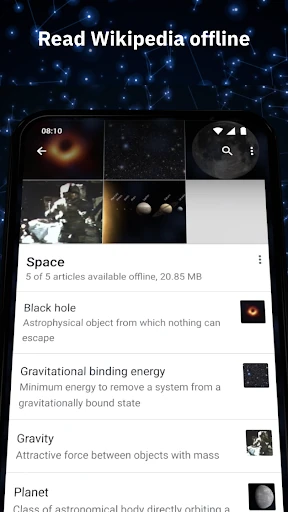
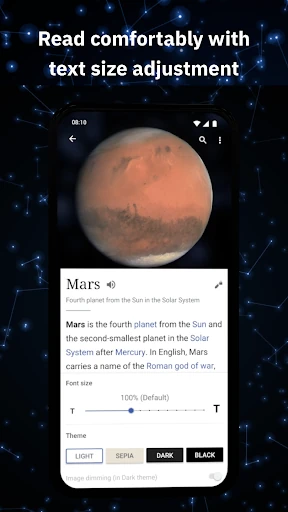
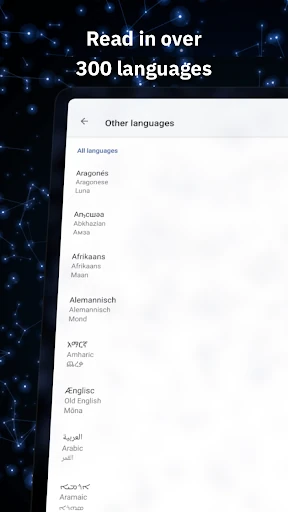
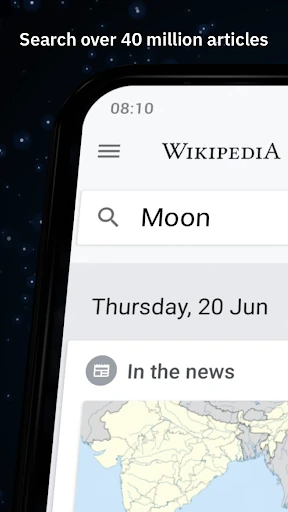
Wikipedia remains the cornerstone of the digital knowledge era, and its official mobile application serves as a benchmark for the Books & Reference category. Unlike most competitors that prioritize monetization through intrusive ads or subscription paywalls, the Wikipedia app adheres to a strict non-profit ethos, delivering an ad-free, privacy-centric environment. It is not merely a mobile mirror of the website but a specialized tool designed to facilitate seamless exploration and offline accessibility for over 40 million articles across 300 languages. In the modern app landscape, it stands as a rare example of high-utility, open-source software that prioritizes the user experience above all else.
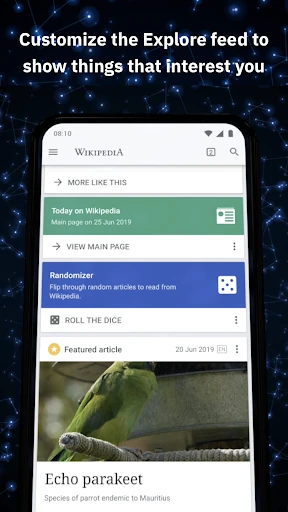
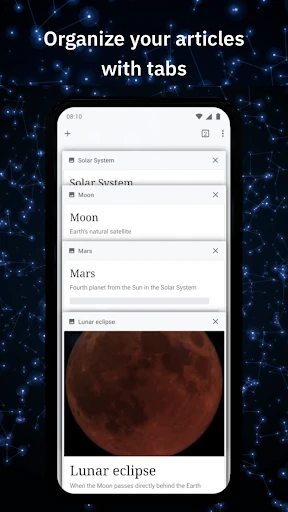
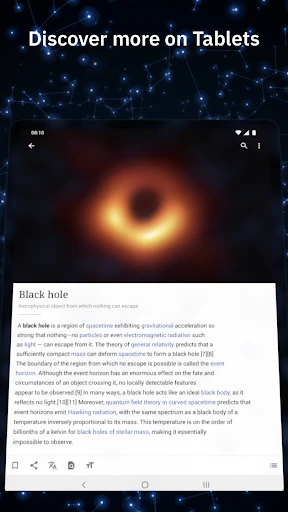
The user interface is built on a philosophy of minimalism, ensuring that the content remains the focal point at all times. The transition from the desktop's dense layout to a mobile-first interface is handled with precision, utilizing clean typography and intuitive gesture navigation. The experience is highly responsive, with the "Explore" feed providing a modern, card-based layout that feels native to mobile behavior. The inclusion of voice search and the ability to search within articles makes navigating the massive repository of information remarkably efficient, meeting the high standards expected of a top-tier reference application.
To further elevate the experience, the developers could integrate a more robust citation preview system that allows users to view references in a pop-up window rather than scrolling to the bottom of the article. Additionally, enhancing the mobile editing interface with a "visual editor" mode would make it easier for the community to contribute on the go. Improved integration of interactive multimedia, such as audio pronunciations and expandable data visualizations, would also bring the app closer to modern digital publication standards.
The Wikipedia app is an essential utility for students, researchers, and lifelong learners. It is arguably the most valuable free resource available in the Books & Reference category today. We highly recommend it for anyone who requires quick, reliable, and distraction-free access to the world's collective knowledge. Whether you are using it for academic research or casual curiosity, it is a must-have installation for every mobile device.