
My Town Home: Family Playhouse
My Town Games Ltd
Downloads
50,000,000+
Version
Latest
Advertisement
Click to download now, finish the installation quickly, and directly unlock the "all-round experience"
Advertisement
Screenshots

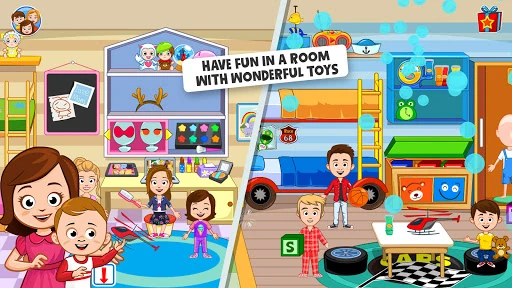
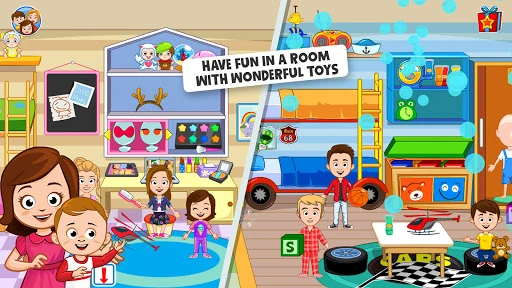


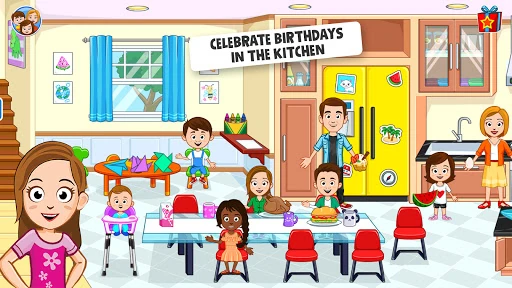
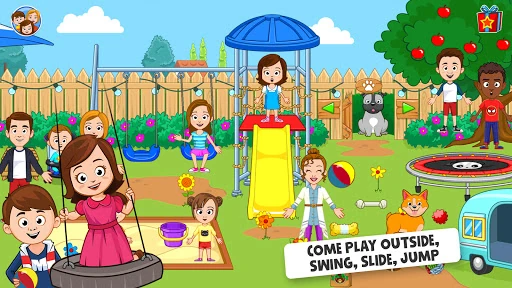




Click to download now, finish the installation quickly, and directly unlock the "all-round experience"
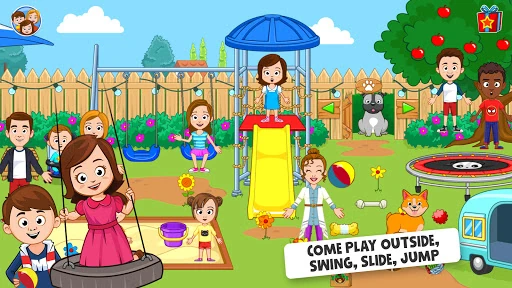
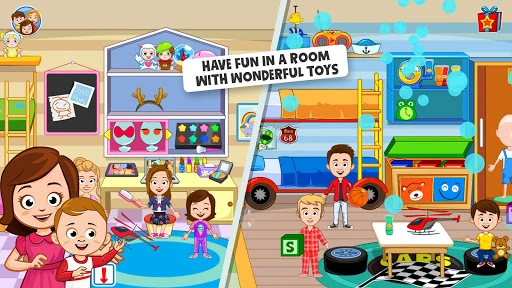
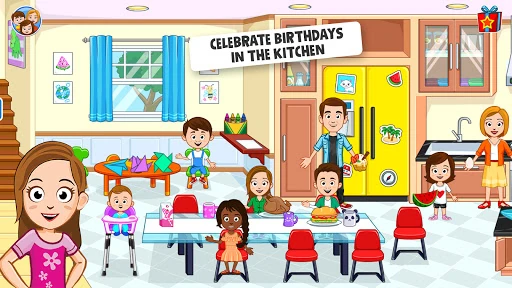
My Town Home: Family Playhouse stands as a quintessential example of the digital dollhouse genre within the Educational landscape. It successfully translates the open-ended, imaginative play of traditional physical dollhouses into a vibrant, interactive mobile experience. By eschewing rigid objectives and high-pressure competition, the app provides a safe psychological sandbox where children can explore social roles and household dynamics at their own pace. As a Senior Analyst, I find its commitment to "pure play" a refreshing and necessary alternative to gamified learning apps, fostering genuine creativity and emotional intelligence in its target demographic.
The UI is masterfully crafted for its primary audience of children aged 4-12. The design language utilizes bright colors and large, intuitive touch targets that accommodate developing motor skills. From a UX perspective, the "no-rules" philosophy removes the barrier of failure, which is critical for the Educational category as it builds confidence in young users. The animations are fluid and provide immediate visual feedback, while the sound design reinforces the domestic atmosphere, making the virtual environment feel tactile and responsive.
To further elevate the experience, the developers should consider expanding the environmental diversity by adding more specialized rooms, such as a home office or a garage. Introducing more varied character archetypes and skin tones would also improve inclusivity. Furthermore, a "parental dashboard" that provides insights into the themes or rooms the child interacts with most could bridge the gap between digital play and real-world educational discussion.
My Town Home: Family Playhouse is a top-tier recommendation for parents and educators seeking to foster imagination and social-emotional learning in children. It is specifically designed for the 4-12 age group, offering a digital space where the only limit is the user's own narrative. While it lacks the complexity of some simulation games, its simplicity is its greatest strength, making it an essential addition to a child’s early digital library.