
Advertisement
Click to download now, finish the installation quickly, and directly unlock the "all-round experience"
Advertisement
Screenshots
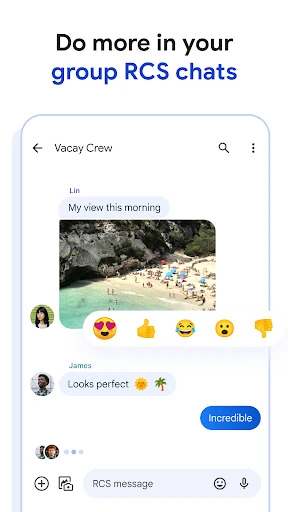
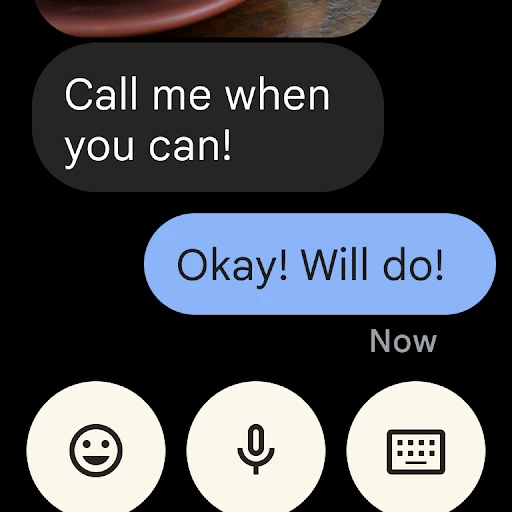
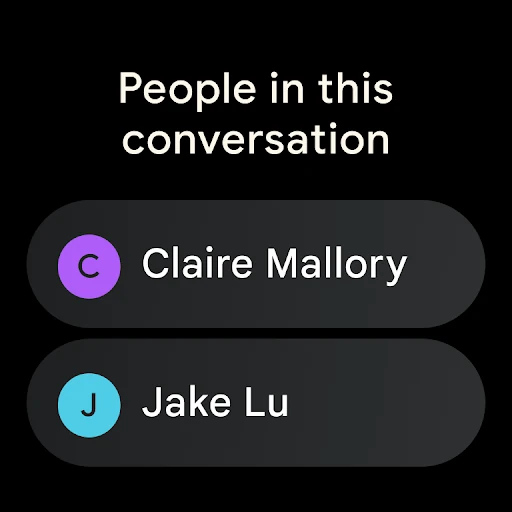

Click to download now, finish the installation quickly, and directly unlock the "all-round experience"
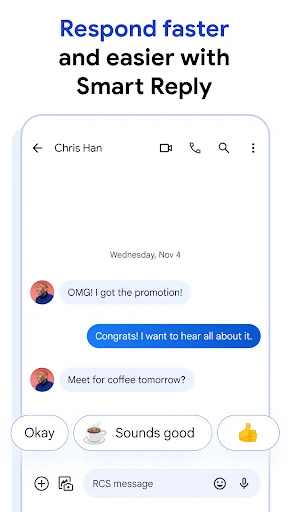
Google Messages has evolved from a basic SMS client into a sophisticated, flagship communication hub that defines the modern Android experience. By championing the Rich Communication Services (RCS) standard, Google has successfully modernized the texting landscape, effectively bridging the gap between legacy cellular protocols and contemporary instant messaging. In the current Communication landscape, Google Messages stands as the primary competitor to proprietary ecosystems like iMessage, offering a unified, secure, and AI-enhanced platform that prioritizes interoperability and user privacy.
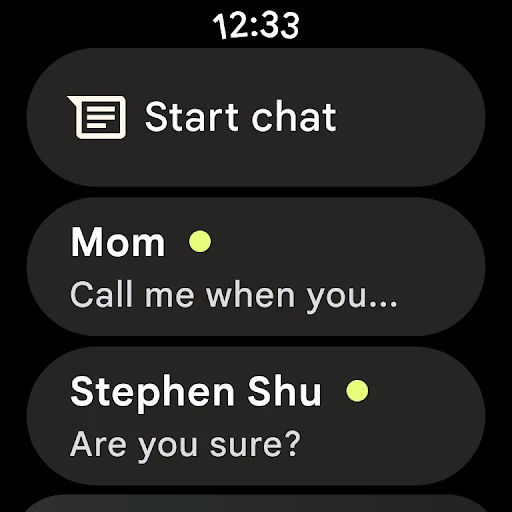
The UI of Google Messages is a masterclass in the "Material You" design philosophy, featuring a clean, airy interface that adapts to the user's system-wide color palette. The user experience is prioritized through intuitive gestures, such as swiping to archive and a highly responsive search function. While the app manages a high density of features—ranging from selfie GIFs to bubble customizations—it maintains a clutter-free aesthetic that feels native to the Android ecosystem. The transition between SMS and RCS is handled gracefully, though the distinction is clear enough for power users to manage their data expectations.
To further solidify its dominance, Google Messages should look toward implementing more robust organizational tools, such as customizable folders or automated categories (e.g., Finance, Personal, Promotions) as a standard feature for all markets. Additionally, improving the speed of message backup and restoration via Google Drive would enhance the experience for users frequently switching devices. Integrating a native, full-featured desktop client—rather than a browser-based solution—would also provide a more stable experience for power users.
Google Messages is the essential communication tool for any Android user who values security, media quality, and modern messaging features. It is particularly well-suited for users who want an "iMessage-like" experience without being locked into a single manufacturer's hardware. As Google continues to push the boundaries of AI-assisted texting and cross-platform compatibility, this app remains the gold standard for mobile communication in the 21st century.