Advertisement
Click to download now, finish the installation quickly, and directly unlock the "all-round experience"
Advertisement
Screenshots
Click to download now, finish the installation quickly, and directly unlock the "all-round experience"
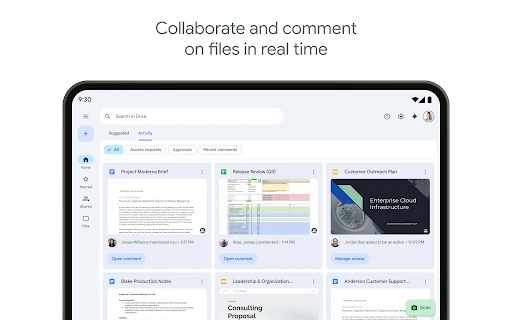
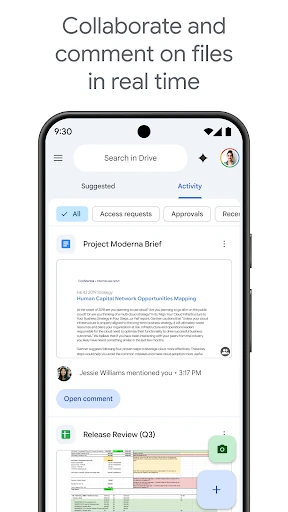
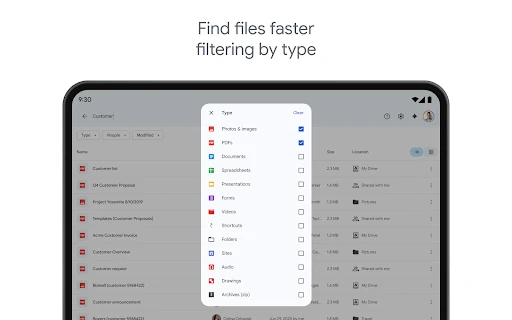
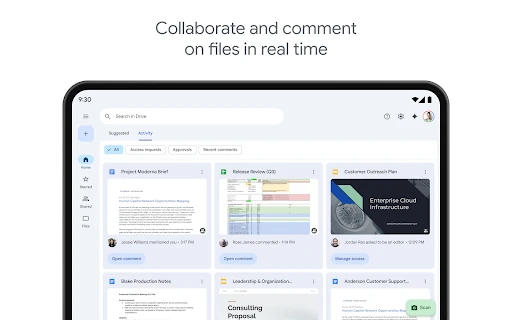
Google Drive stands as the foundational pillar of the modern productivity landscape, serving as much more than a simple cloud storage solution. It functions as a centralized hub for the Google Workspace ecosystem, seamlessly integrating file management with real-time collaboration. By bridging the gap between mobile accessibility and desktop-grade functionality, it has become an essential utility for anyone navigating the digital-first era. Its expert-level integration of security, searchability, and cross-platform synchronization makes it the gold standard against which all other cloud-based storage services are measured.
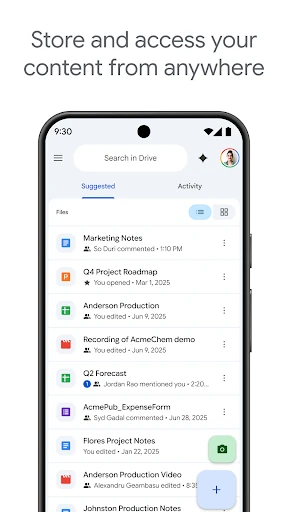
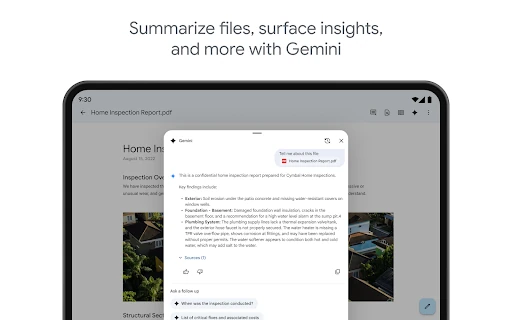
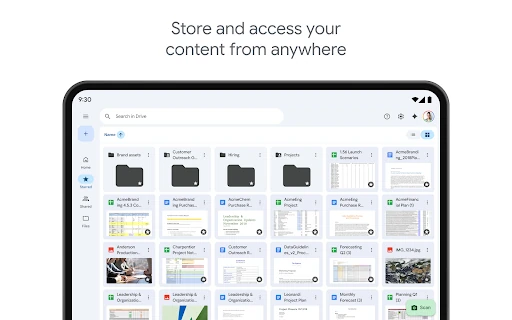
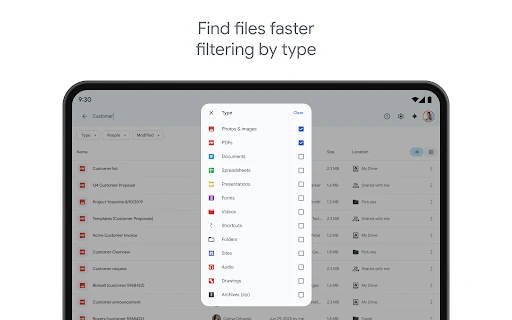
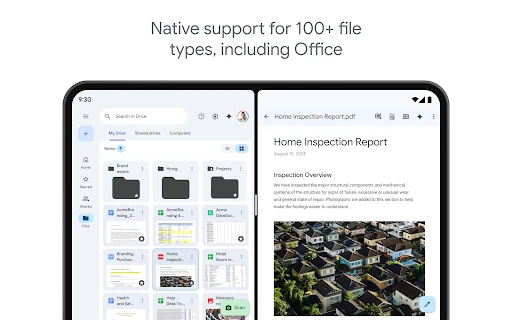
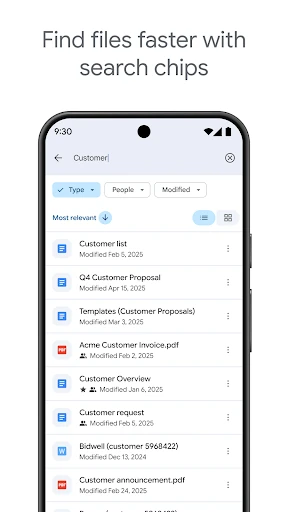
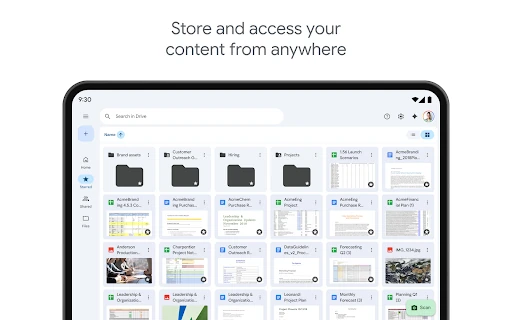
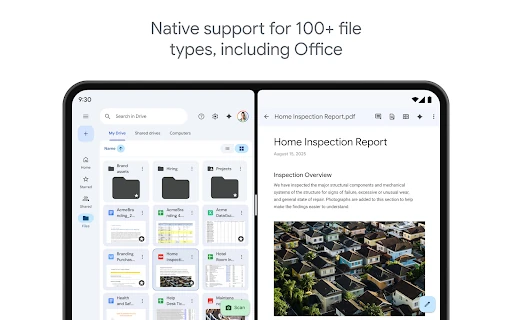
The UI of Google Drive adheres strictly to Material Design principles, offering a clean, minimalist interface that prioritizes content visibility. On mobile, the experience is fluid, with bottom-navigation bars that place essential functions within thumb-reach. The "Home" tab uses predictive algorithms to surface the files you are most likely to need, which is a hallmark of high-tier UX design. Furthermore, the specialized optimization for Android tablets—including side-by-side view and drag-and-drop support—demonstrates a commitment to power-user workflows that many competitors lack.
To further enhance the productivity experience, Google Drive could introduce a more robust built-in storage manager that identifies duplicate files or large, obsolete assets more effectively. Additionally, improving the loading speeds for large video previews and providing a more intuitive way to manage "Shared with me" clutter would significantly benefit long-term users who have accumulated thousands of files.
Google Drive is the definitive choice for students, remote professionals, and enterprise teams who require a reliable, secure, and collaborative environment. Its strength lies in its versatility; it is as useful for a single individual saving a PDF as it is for a multinational corporation managing a shared drive. For anyone currently using a smartphone or a computer, Google Drive is a mandatory installation that remains the most cohesive productivity tool in the Google suite.